Restorative dentistry
Dental bridges
A bridge fills the gap of a missing tooth with a false tooth held by crowns on the teeth either side.
- 2 visits
- about 2–3 weeks apart
- Fixed
- not taken out at night
- $2,000–$5,000
- for a three-unit bridge
- Digital scan
- precise fit, no putty

01Your path
From gap to bridge
-
Week 0
Exam and options
We compare a bridge, an implant and a partial denture with you.
-
Visit 1
Preparing and scanning
The teeth beside the gap are shaped; you leave with a temporary bridge.
-
2–3 weeks
Made at the lab
Your bridge is made from the 3D scan.
-
Visit 2
Fitted
Checked, cemented and the bite adjusted.
-
After
Cleaning under it
We show you how to clean beneath the bridge.
02Your options
Bridge, implant or partial denture?
| Bridge | Implant | Partial denture | |
|---|---|---|---|
| Time | 2–3 weeks | 3–6 months | 3–6 weeks |
| Surgery | None | A minor procedure | None |
| Neighbouring teeth | Shaped for crowns | Left untouched | Clasps rest on them |
| Removable | No | No | Yes |
| Typical cost | $2,000–$5,000 | $3,000–$5,000 | $1,000–$2,500 |
Typical US ranges before insurance; your estimate comes after the exam.
03Cost and insurance
What it costs
$2,000–$5,000 for a three-unit bridge
Typical range in the US without insurance (2026 consumer cost guides). Your own estimate comes after the exam, in writing, before anything is done.
The cost depends on the number of teeth and the material.
- Dental insurance
- Many PPO plans cover part of this treatment. We check your benefits and give you a written estimate before anything is done.
- Monthly payments
- Third-party financing such as CareCredit lets you spread the cost, if you’d like.
- No insurance?
- Ask about our membership plan: checkups, cleanings and X-rays for a yearly fee, plus a discount on treatment.
04Who plans it
Before a bridge, you’ll hear about every option — including leaving the space, if that’s genuinely fine for you.
Dr. Daniel Brooks, DMD · Dentist · Crowns, bridges and implants
05How we work
Our clinical standards
The details that make a difference to how this treatment is done — and why we do them.
-
All options on the table
Before a bridge, we explain the alternatives — an implant, a partial denture, or leaving the space — with their pros, cons and costs.
-
Digital scan and precise fit
Bridges are designed from a 3D scan and checked for a tight seal at every edge.
-
Cleaning under the bridge
We show you how to clean under it with a threader or water flosser before you leave.
-
Your bite checked before you leave
We test how your teeth meet — biting and sliding side to side — and adjust until it feels like your own tooth.
06Is it for you
When a bridge makes sense
A bridge can replace one or two missing teeth when the neighbouring teeth are healthy enough to support it — or already need crowns.
We’ll compare it honestly with an implant and a partial denture, including cost and how long each usually lasts.
07Technology
The technology we use
All our technology-
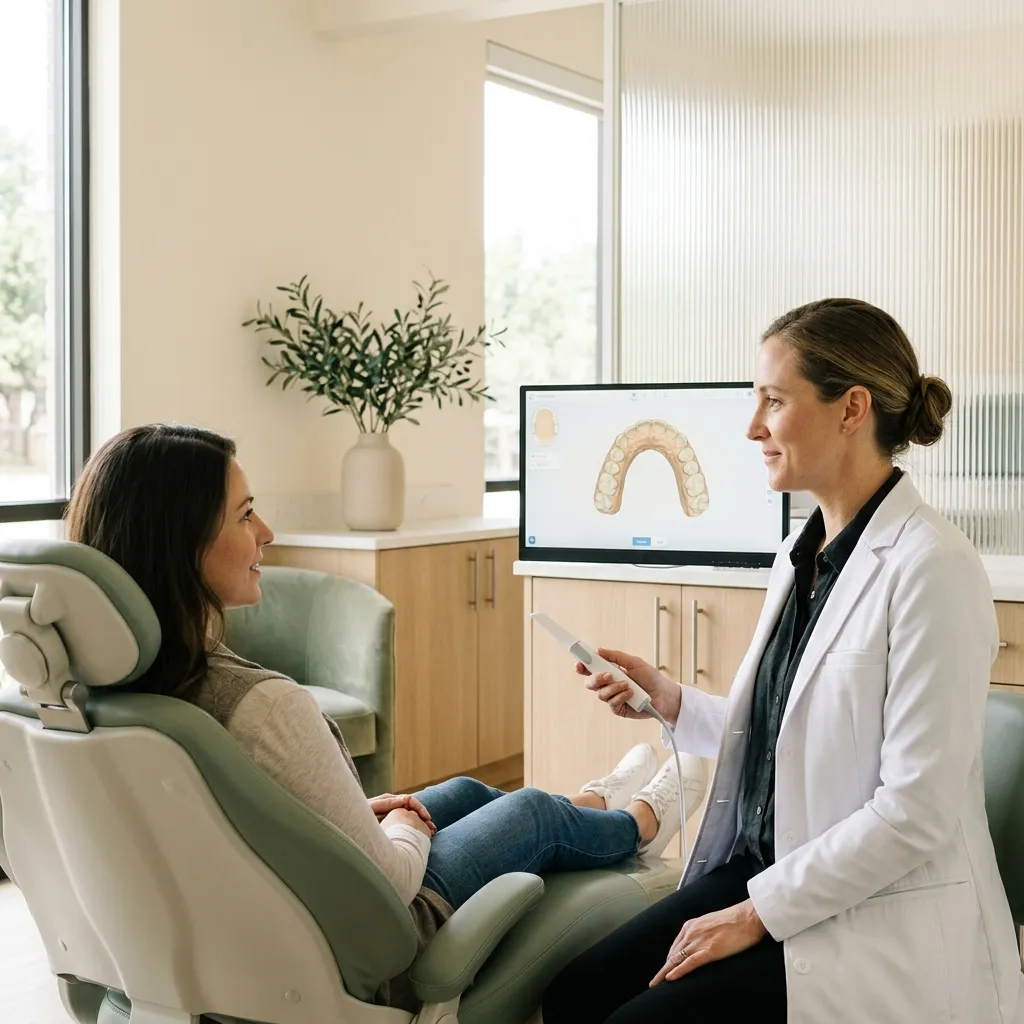
01
3D intraoral scanner
Digital impressions instead of trays of putty: a small wand records your teeth in a few minutes, and you see the 3D model on the screen.
How it works -
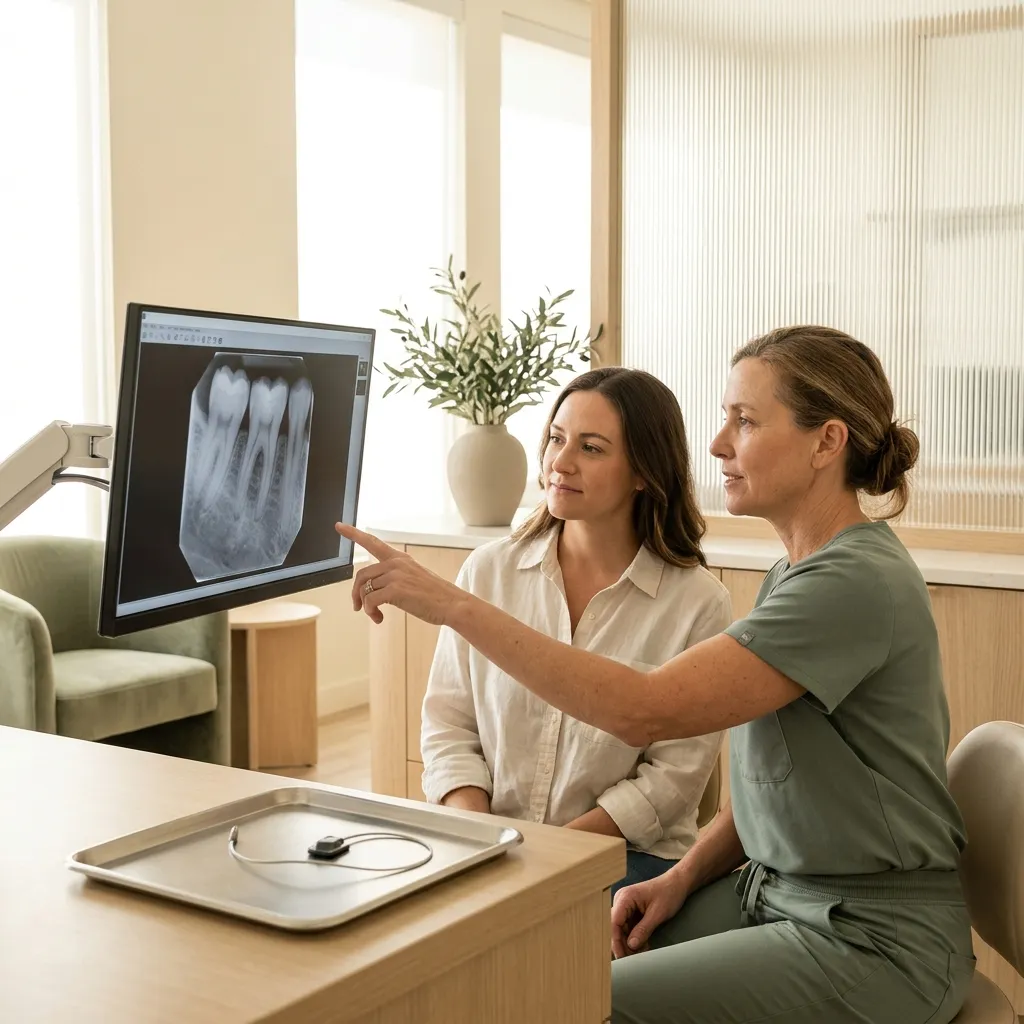
02
Digital X-rays
Low-dose sensors instead of film. The image appears on the screen in seconds, so we can look at it together.
How it works -
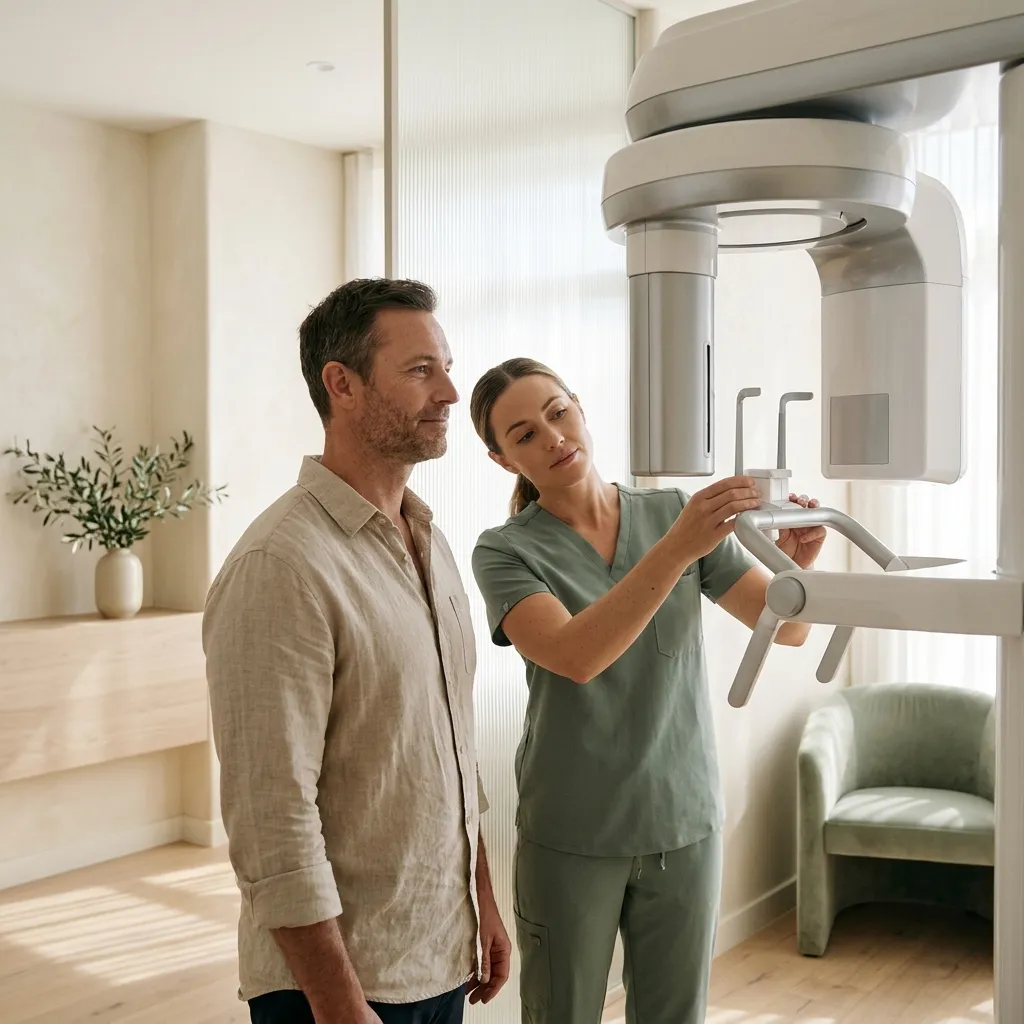
03
3D cone-beam imaging (CBCT)
One quick scan shows bone, roots and nerves in 3D — for planning implants, wisdom-tooth removal and complex root canals precisely.
How it works
08Questions
Questions patients ask
An implant doesn’t involve the neighbouring teeth and can last longer; a bridge is quicker and often costs less upfront. We’ll go through both with you.
With a floss threader, special floss or a water flosser — we’ll show you.
Appointments
Request a consultation
We’ll look at the gap and explain your options for replacing the tooth.
Restorative dentistry